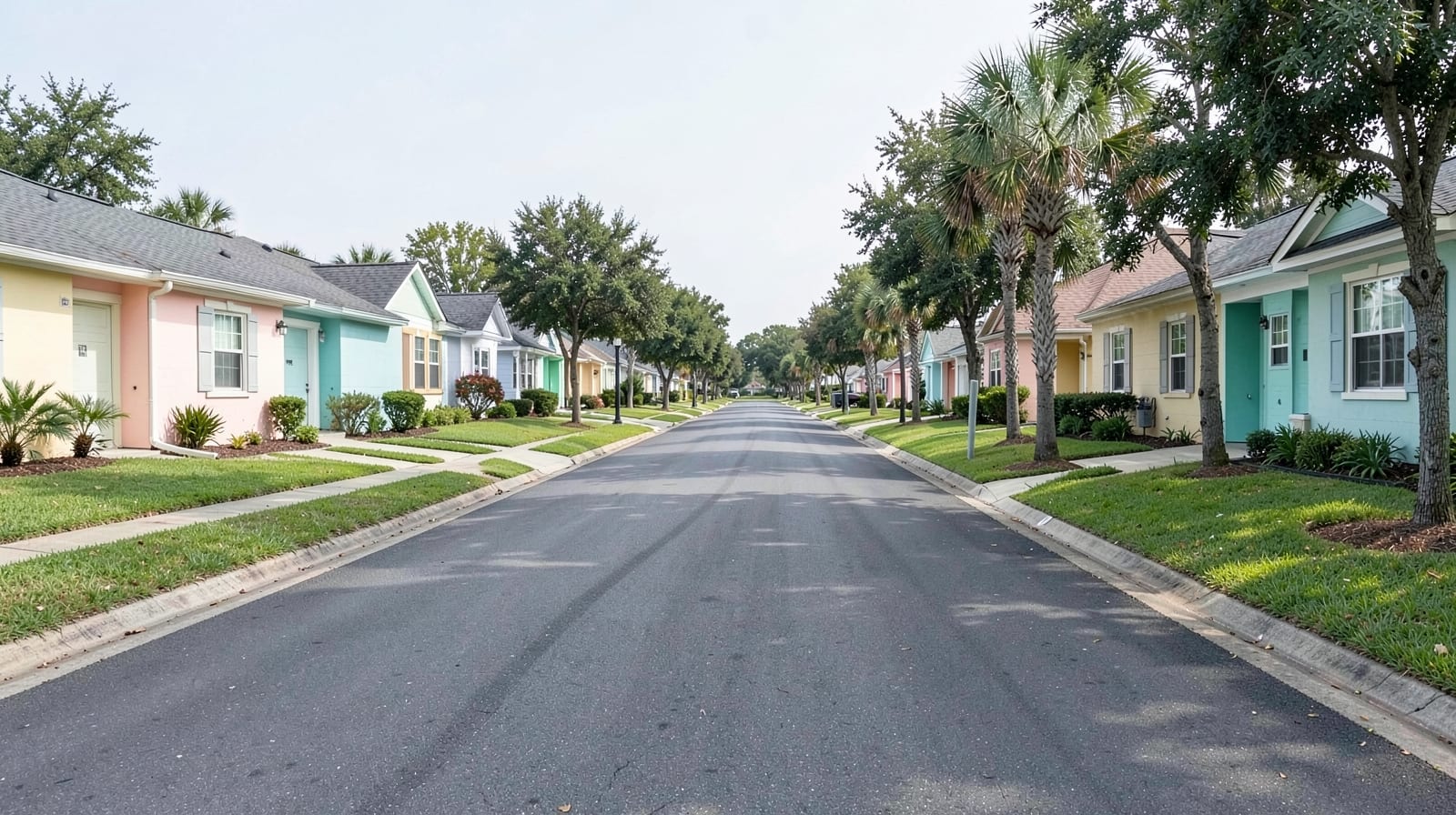
Paint Protection Film (PPF) Installation in Marion Oaks, FL
Paint Protection Film (PPF) Installation for Marion Oaks, FL vehicles — Marion Oaks is a large residential community to the south of Ocala.
Paint Protection Film (PPF) Installation in Marion Oaks, FL is handled by providers already working across this area. Protect your vehicle’s finish in Marion Oaks with professional paint protection film installation, just minutes from Ocala. Our PPF shields against the area’s relentless UV rays and humidity, preventing fading, oxidation, and damage from road debris. Serving this large residential community with convenient, mobile-friendly options, we ensure long-lasting defense for your car’s paint in Central Florida’s harsh climate. Keep your ride looking new with a durable, clear barrier designed for year-round conditions.
Why paint protection film (ppf) installation matters in Marion Oaks
In Marion Oaks, FL, Paint Protection Film (PPF) Installation is crucial due to the dense suburban environment and intense year-round UV exposure. With many vehicles parked under the sun or navigating busy residential streets, PPF shields your car’s paint from fading, oxidation, and minor scratches caused by debris. The heavy humidity also accelerates wear, making PPF a smart investment to maintain your vehicle’s appearance and resale value in this climate.
This service is also available via Paint Protection Film (PPF) Installation and Marion Oaks, FL.
What paint protection film (ppf) installation actually involves, step by step
Surface prep and decontamination. The panel receiving film is washed, clay-decontaminated, and wiped down with isopropyl alcohol the same way a coating job would be, since any dirt, wax, or oil trapped under the film is sealed there permanently once the film is applied and can't be cleaned out afterward.
Pattern selection or plotting. Film is either cut from a pre-programmed digital pattern matched to the vehicle's exact panel shapes, or hand-plotted directly on the panel with a bulk roll, trimmed with a squeegee and blade to the panel's edges and curves.
Wet application. The film is applied using a slip solution that lets it be repositioned on the panel before it sets, giving room to work air bubbles and wrinkles out with a squeegee before the film bonds down permanently to the paint underneath.
Edge wrapping and trimming. Edges are wrapped around body lines or trimmed and tucked at panel gaps, since a film edge left exposed and unwrapped is the point most likely to lift or catch on debris first — the detail that separates a clean installation from one that starts peeling within a season.
Heat setting and squeegee finishing. A heat gun conforms the film tightly around curves and body lines, and a final squeegee pass pushes out the remaining slip solution and any trapped air, leaving the film sitting flat against the paint rather than tented over a high spot.
Cure and edge-seal check. The film is left to cure and bond fully before the vehicle is washed, and edges are checked once more after the initial cure period, since an edge that did not fully seal down in the first day is easiest to catch and fix before it is driven regularly.
What goes wrong when paint protection film (ppf) installation is done badly
Trapped dirt under the film. Any dirt, dust, or fiber trapped under the film during application becomes a permanent bump or streak visible in certain light, since there's no way to clean underneath the film once it's bonded down without removing and replacing that section.
Unsealed or lifted edges. An edge that isn't fully wrapped, tucked, or heat-set can catch on a car wash brush, a fingernail, or road debris and start to lift, and a lifted edge that isn't caught early lets water and grit get underneath the film and cause it to peel further.
Stretching film too thin over curves. Pulling film too tightly to force it around a sharp curve thins the material at that point, making it more prone to yellowing or cracking there first, well before the rest of the panel shows any wear.
How to choose who does the work in Marion Oaks
Does the quote include paint correction before the coating is applied, or coating only? Coating applied over unaddressed swirl marks locks those imperfections in rather than fixing them. Is the full prep chain — wash, decontamination, clay bar, iron remover, panel wipe — specified, or just 'prep' as one line? Skipping steps like iron removal or clay bar leaves contaminants under the coating, which shortens how well it holds up. What coating tier is being quoted — SiO2 vs. graphene, single-layer vs. multi-layer — and what protection length does that tier typically carry in the market? Tiers vary widely in durability and price, so it helps to know exactly which one is being quoted. Is a written explanation of proper post-coating maintenance — wash method, curing window, products to avoid — provided? Incorrect washing during the curing period can compromise how well a coating bonds. Does the quote distinguish exterior paint coating from wheel, interior, or window coating packages? These are often priced and sold as separate add-ons even when marketed together. Is it explained clearly that coating does not stop rock chips or deep scratches? Coatings add hardness against light swirling but not impact protection, and that distinction is where overselling most often happens.
A quote listing 'coating' as a single line item with no breakdown of the prep steps. Prep quality — decontamination, clay bar, iron removal — affects how well a coating bonds, and a bid that skips describing it may be skipping the steps too. A tier described only by price, with no protection length or product type specified. Tiers vary widely in durability, and a price with no spec behind it is hard to compare to another bid. A price dramatically lower than every other quote for the same vehicle and tier. An unusually low price can mean a thinner coating, skipped decontamination steps, or a shorter-lasting product sold as a premium one. No explanation of post-coating maintenance or the curing window. Washing a freshly coated vehicle too soon, or with the wrong products, can compromise how the coating bonds. Any claim that the coating will stop rock chips, dents, or deep scratches. Coatings add surface hardness against light swirling, not impact protection, and a shop that blurs that distinction is overselling what the product does.
A Physical Barrier, Not Just a Coating
Unlike a coating, PPF is a physical barrier thick enough to absorb rock chips, road debris, bug etching, and minor abrasions that would otherwise damage the paint. The film's top layer is self-healing — light swirl marks and scratches in the film itself soften and disappear with a bit of heat, from sunlight or a heat gun.
Marion Oaks vehicles get the same straightforward quote process for paint protection film (ppf) installation as the rest of the service area — call to get one.
See Paint Protection Film (PPF) Installation in Liberty Triangle, FL for more — or see the rest of our Ocala lineup in one place for our complete service area.
Serving Marion Oaks, FL
Ready to get started?
Talk to a local ceramic coating pro serving Marion Oaks, FL — get a written quote.
Other Services We Offer in Marion Oaks, FL
Metal Surface Anti-Corrosion in Marion Oaks, FL
Metal Surface Anti-Corrosion for Marion Oaks, FL vehicles — Marion Oaks is a large residential community to the south of Ocala.
Learn MoreGlass Surface Hydrophobic Treatment in Marion Oaks, FL
Glass Surface Hydrophobic Treatment for Marion Oaks, FL vehicles — Marion Oaks is a large residential community to the south of Ocala.
Learn More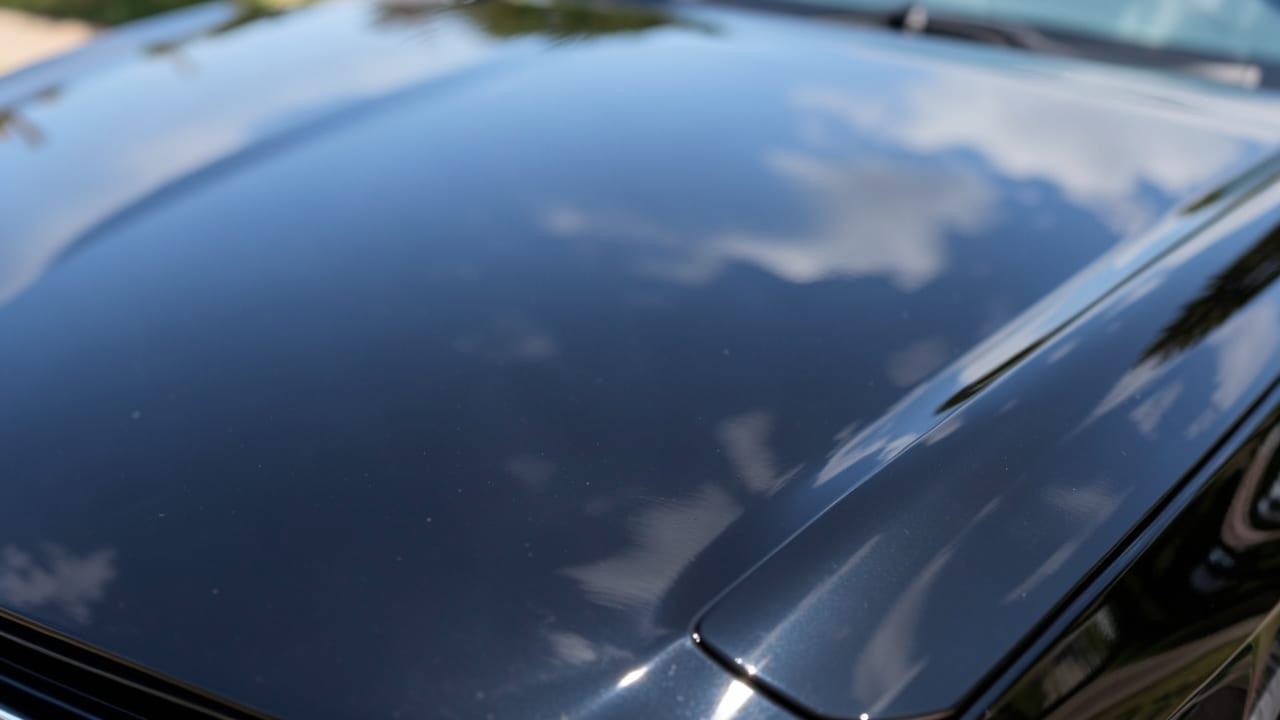
Bird Dropping Removal in Marion Oaks, FL
Bird Dropping Removal for Marion Oaks, FL vehicles — Marion Oaks is a large residential community to the south of Ocala.
Learn MoreIron Particle Decontamination in Marion Oaks, FL
Iron Particle Decontamination for Marion Oaks, FL vehicles — Marion Oaks is a large residential community to the south of Ocala.
Learn MoreRoad Tar Removal in Marion Oaks, FL
Road Tar Removal for Marion Oaks, FL vehicles — Marion Oaks is a large residential community to the south of Ocala.
Learn More
Overspray Removal in Marion Oaks, FL
Overspray Removal for Marion Oaks, FL vehicles — Marion Oaks is a large residential community to the south of Ocala.
Learn MoreThe same service is also covered in Liberty Triangle, FL , on the same terms.
Common Questions About Ceramic Coating in Marion Oaks, FL
Everything you need to know about ceramic coating services in Marion Oaks, FL
How much does Paint Protection Film (PPF) Installation typically cost in Marion Oaks, FL?
Does intense UV and dust in Marion Oaks, FL change coating maintenance?
Can a ceramic coating be applied over existing swirl marks or light scratches?
Is ceramic coating ever covered by comprehensive auto insurance?
Can ceramic coating be applied over a vinyl wrap or matte paint?
Need Ceramic Coating in Marion Oaks, FL?
Get a written quote from our Marion Oaks, FL crew.
⏰ We answer your call • Serving all of Marion Oaks, FL and surrounding areas