How Paint Correction Elevates Your Ceramic Coating Results in Ceramic Coating Ocala
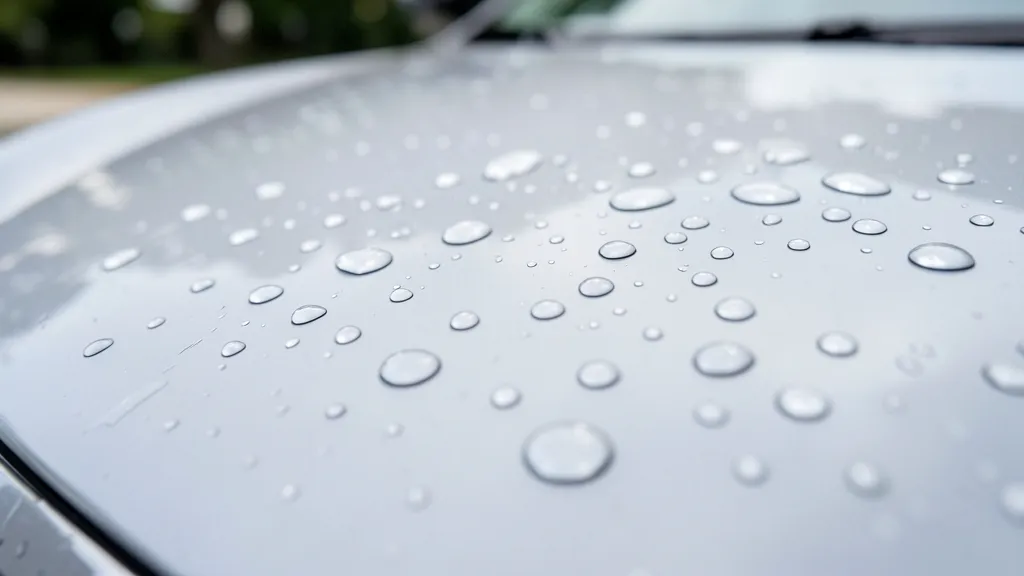
Paint correction isn’t just about making your car look good—it’s the critical first step to ensuring ceramic coatings bond properly and last longer. In Ocala’s harsh sun and humidity, skipping this step can cut your coating’s lifespan in half. Our team uses precision techniques to eliminate defects before applying any protective layer.
Why Paint Correction Is Non-Negotiable Before Ceramic Coating
Ceramic coatings bond to the clear coat at a molecular level. If the surface is marred by swirls, scratches, or oxidation, the coating won’t adhere evenly, leading to premature failure.
Ocala’s intense UV exposure accelerates paint degradation. Correcting defects first ensures the coating has a pristine, contamination-free surface to bond with, maximizing hydrophobicity and gloss.
Applying ceramic coating over untreated defects can trap contaminants, causing adhesion issues. In Florida’s heat, this often leads to bubbling or peeling within months.
The Paint Correction Process: From Assessment to Perfection
We start with a thorough wash and decontamination using a clay bar to remove embedded iron particles and tar. This step is vital in Ocala, where road debris and pollen are constant threats.
Next, we measure paint thickness with a gauge to avoid over-polishing. Thin clear coats—common on older vehicles in Marion County—require extra care to prevent burn-through.
Polishing comes next, using progressively finer compounds and pads. Dual-action polishers allow us to tackle swirl marks and light scratches without damaging the paint structure.
Common Paint Defects We Address in Ocala
Swirl marks from improper washing are the most frequent issue we see. These fine scratches scatter light, dulling your paint’s finish even after a fresh wash.
Oxidation is rampant here due to Florida’s year-round sun. Left untreated, it creates a chalky, faded appearance that no ceramic coating can hide—only correct.
Orange peel texture, a factory defect, is another culprit. While not a flaw in the traditional sense, smoothing it out enhances the coating’s mirror-like effect.
| Defect Type | Cause | Effect on Coating | Correction Method |
|---|---|---|---|
| Swirl Marks | Improper washing/drying | Uneven bonding, reduced gloss | Compound + fine polish |
| Oxidation | UV exposure, age | Poor adhesion, premature failure | Heavy-cut compound + polishing |
| Water Spots | Mineral deposits from hard water | Etched surface, weak bond | Wet sanding + polishing |
| Orange Peel | Factory spray application | Uneven texture, diminished shine | Fine polishing + glazing |
How Paint Correction Extends Ceramic Coating Longevity
A smooth, defect-free surface allows the ceramic coating to cross-link uniformly. This creates a stronger, more durable hydrophobic layer that sheds water, dirt, and contaminants effortlessly.
In Ocala’s climate, where vehicles face constant exposure to UV rays, pollen, and road salt, a properly prepped surface ensures the coating resists etching and staining longer.
Corrected paint also reflects light better, amplifying the coating’s depth and clarity. This is especially noticeable on darker vehicles, which are prone to showing every imperfection.
Black, navy, and deep red paints reveal every flaw. If you’re coating a dark car in Silver Springs or The Villages, invest in a multi-stage correction for showroom-level results.
Paint Correction vs. Paint Protection Film: When to Choose Which
Paint correction is essential for any vehicle receiving a ceramic coating. It’s not a standalone protective solution but a preparatory step that ensures the coating performs at its best.
Paint Protection Film (PPF), on the other hand, is a physical barrier against rock chips and deep scratches. We often recommend PPF for high-impact areas like hoods and bumpers, then ceramic coating over the entire vehicle for a seamless finish.
In Dunnellon or Belleview, where gravel roads are common, combining both—PPF for vulnerable areas and ceramic coating for the rest—offers the ultimate protection.
What to Expect After Paint Correction in Ocala
Immediately after correction, your paint will have a depth and clarity you didn’t know was possible. This is the ideal canvas for ceramic coating application.
The correction process removes a microscopic layer of clear coat, so it’s normal for the paint to feel slightly smoother to the touch. This smoothness is what allows the coating to bond tightly.
Expect the correction to take 1-3 days, depending on the vehicle’s size and condition. Larger fleet vehicles in Marion Oaks may require additional time for thorough results.
Maintaining Your Corrected and Coated Vehicle in Florida
Even with a ceramic coating, regular maintenance is key. Wash your vehicle every two weeks using a pH-neutral soap to prevent dirt buildup, which can degrade the coating over time.
Avoid automatic car washes with harsh brushes—they can introduce new swirl marks. Instead, opt for touchless washes or hand-washing with microfiber mitts.
For vehicles in The Villages or Silver Springs, where tree sap and bug splatter are common, a quick detailer spray can help maintain the hydrophobic properties between washes.
Post-Coating Care Essentials
- Use pH-neutral car soap for all washes
- Dry with a clean microfiber towel to prevent water spots
- Apply a ceramic boost spray every 3-6 months
- Avoid parking under trees to minimize sap and pollen exposure
- Reapply ceramic coating every 2-3 years for optimal protection
How to Prepare Your Vehicle for Paint Correction and Ceramic Coating
Proper prep ensures the best results for your paint correction and ceramic coating in Ocala.
- 1Deep Clean the Vehicle
Start with a thorough wash using a high-quality degreaser to remove all surface contaminants. Pay special attention to wheel wells and undercarriage areas, which often harbor hidden dirt.
- 2Clay Bar Decontamination
Use a clay bar with lubricant to pull embedded contaminants from the clear coat. This step is critical in Florida, where iron particles from brake dust and road debris are prevalent.
- 3Inspect for Paint Defects
Under bright lighting, examine the paint for swirls, scratches, oxidation, or water spots. Note the severity and location of each defect for targeted correction.
- 4Measure Paint Thickness
Use a paint thickness gauge to check the clear coat depth. This helps determine how aggressive the polishing can be without risking damage.
- 5Choose the Right Compounds and Pads
Select polishing compounds and pads based on the defect type. Heavy-cut compounds work for deep scratches, while fine polishes are ideal for light swirls.
- 6Final Inspection and Prep for Coating
After correction, perform a final wipe-down with isopropyl alcohol to remove any remaining oils or residues. This ensures a clean surface for the ceramic coating to bond to.
Frequently Asked Questions
How long does paint correction take for a typical vehicle in Ceramic Coating Ocala?
The duration depends on the vehicle’s size and condition. A standard sedan with moderate swirls may take 1-2 days, while a larger SUV or truck with heavy oxidation could require 2-3 days. Fleet vehicles often need additional time due to their size.
Can I apply ceramic coating without paint correction?
Technically, yes—but it’s not recommended. Ceramic coatings will lock in existing defects, making them permanent and reducing the coating’s effectiveness. For the best results in Ocala’s climate, always correct the paint first.
Will paint correction remove deep scratches?
It depends on the scratch depth. Light to moderate scratches in the clear coat can usually be polished out. Deeper scratches that penetrate the base coat may require touch-up paint or PPF for full repair.
How often should I reapply ceramic coating after paint correction?
With proper prep and maintenance, a high-quality ceramic coating can last 2-5 years. However, in Ocala’s harsh sun, we recommend inspecting the coating annually and reapplying every 2-3 years to maintain optimal protection.
Is paint correction necessary for new cars in Ocala?
Even new cars can have defects like swirl marks from dealership prep or orange peel from the factory. A light correction ensures the ceramic coating bonds perfectly, enhancing gloss and longevity from day one.
What’s the difference between paint correction and detailing?
Detailing focuses on cleaning and restoring a vehicle’s appearance temporarily. Paint correction is a permanent fix for defects like swirls and oxidation, creating a flawless surface for long-term protection like ceramic coatings.