How to Maintain Hydrophobic Properties on Your Ceramic Coating in Ocala, FL
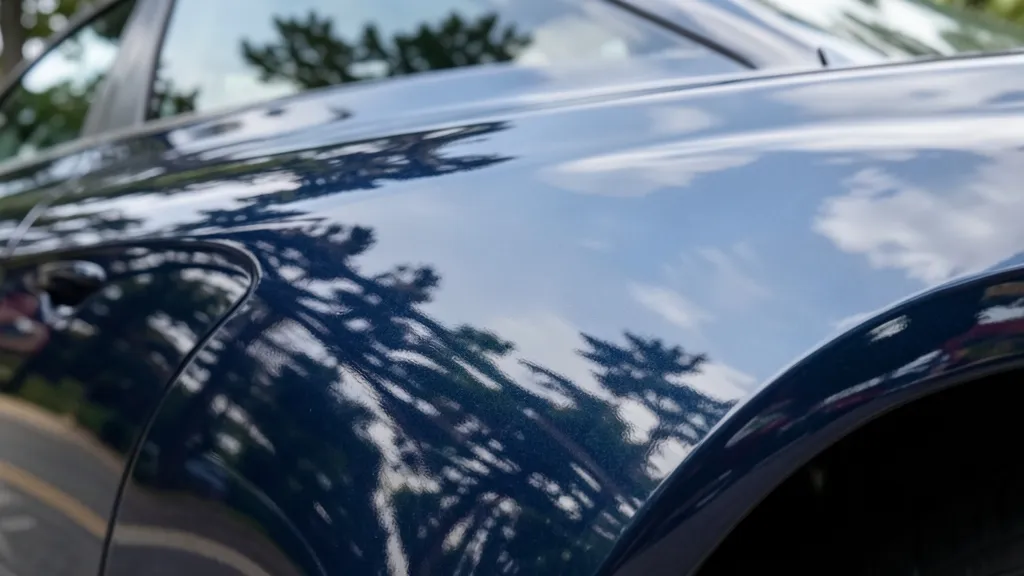
Ceramic coatings deliver unmatched gloss and protection, but their hydrophobic properties fade without the right care. In Ocala’s humid, sun-drenched climate, maintaining that water-beading effect takes a proactive approach. We’ll show you how to keep your coating performing like new.
Why Hydrophobic Properties Matter for Ceramic Coatings
The hydrophobic effect isn’t just for looks—it’s a functional barrier. Water beads and rolls off, carrying dirt and contaminants with it. This reduces water spots, minimizes staining, and makes washing easier.
In Ocala, where afternoon rain showers and pollen are constant, a strong hydrophobic layer prevents etching and dulling. It also extends the life of your coating by reducing chemical bonding of grime to the surface.
How Ocala’s Climate Affects Your Coating’s Hydrophobicity
Florida’s UV index and humidity accelerate the breakdown of ceramic coatings. Prolonged sun exposure degrades the SiO2 matrix, while moisture promotes water spots and mineral deposits.
Pollen, bug splatter, and road salt in areas like The Villages or Marion Oaks can etching into the coating if not removed promptly. Even Silver Springs’ tree sap requires immediate attention to preserve hydrophobicity.
Brushes and harsh chemicals strip hydrophobic layers. Stick to hand washes with pH-neutral soap to protect your coating in Ocala’s tough conditions.
The Right Washing Technique to Preserve Hydrophobicity
Always start with a pre-wash foam cannon to loosen contaminants. Use a two-bucket method: one for soap, one for rinsing your mitt. This prevents swirl marks and premature wear.
Dry with high-quality microfiber towels—never air-dry. Water spots left to bake in Ocala’s heat can etch into the coating, reducing its water-repellent properties.
Products That Enhance (or Destroy) Hydrophobic Performance
pH-neutral car shampoos are non-negotiable. Acidic or alkaline cleaners break down the ceramic matrix. Look for SiO2-infused maintenance sprays to refresh hydrophobicity between washes.
Avoid wax-based products—they fill the coating’s pores, reducing breathability and long-term performance. In Dunnellon or Belleview, where dust is heavy, a quick detailer spray helps maintain beading.
| Product Type | Effect on Hydrophobicity | Recommended for Ocala? |
|---|---|---|
| pH-neutral car shampoo | Preserves coating integrity | Yes |
| SiO2 maintenance spray | Boosts water beading | Yes |
| Automatic car wash soaps | Strips hydrophobic layer | No |
| Wax or sealants | Clogs coating pores | No |
| Degreasers (pH 10+) | Degrades SiO2 matrix | No |
When to Reapply a Ceramic Boost or Full Coating
Most professional-grade ceramic coatings last 2–5 years, but hydrophobicity weakens after 12–18 months. A ceramic boost spray or light maintenance coating can restore beading without a full reapplication.
If water stops beading entirely, it’s time for a professional inspection. In areas like Ceramic Coating in The Villages, where vehicles sit outdoors, more frequent touch-ups may be needed.
Common Mistakes That Kill Hydrophobic Properties
Using dish soap or household cleaners is a fast track to stripping your coating. These products are too harsh for automotive finishes, especially in Ocala’s mineral-rich water.
Skipping the decontamination step before washing leaves iron particles and tar stuck to the surface.
Use an iron-decontaminating spray monthly in Ocala to remove brake dust and rail dust. This keeps the surface smooth and hydrophobic.
Pairing Ceramic Coatings with Other Protective Services
For maximum protection, combine ceramic coatings with Paint Protection Film (PPF) on high-impact areas. PPF shields against rock chips, while the coating maintains hydrophobicity and gloss.
Ceramic window tint and interior ceramic protection are also smart additions for Ocala drivers. These services reduce heat, UV damage, and fading, complementing your exterior coating’s performance.
DIY vs. Professional Maintenance: What Ocala Drivers Need to Know
DIY maintenance—like washing, decontaminating, and applying SiO2 sprays—is essential for upkeep. But for paint correction, full reapplication, or addressing severe water spot etching, professional help is critical.
Our team in Ocala specializes in full-vehicle ceramic coating, paint correction, and PPF installation. For fleet or commercial vehicles in Marion Oaks, we offer tailored solutions to keep your investment protected.
Monthly Ceramic Coating Maintenance Checklist
- Wash with pH-neutral shampoo and two-bucket method
- Apply SiO2 maintenance spray after washing
- Use iron remover to decontaminate wheels and paint
- Inspect for water spots or reduced beading
- Reapply quick detailer spray for extra hydrophobicity
How to Refresh Hydrophobic Properties Between Full Coatings
Restoring water beading doesn’t always require a full reapplication—here’s how to do it yourself.
- 1Deep Clean the Surface
Start with a thorough wash using pH-neutral soap, followed by an iron remover and clay bar to eliminate embedded contaminants.
- 2Dry Completely
Use a blower or microfiber towels to prevent water spots. Any moisture left behind can interfere with the next step.
- 3Apply a Ceramic Boost Spray
Spray a high-quality SiO2-based maintenance product onto a small section. Work in the shade to avoid premature curing.
- 4Buff with a Microfiber Towel
Use a clean microfiber towel to spread the product evenly. Allow it to cure for 12–24 hours before exposing the vehicle to rain.
- 5Test Hydrophobicity
Spritz water onto the treated area. If it beads and rolls off, the hydrophobic layer is restored. If not, repeat the process or consult a professional.
Frequently Asked Questions
How often should I wash my car to maintain hydrophobicity in Ocala?
Wash your vehicle every 1–2 weeks, or immediately after heavy pollen, rain, or bug splatter. Ocala’s humidity and frequent rain mean contaminants stick faster, so regular washing is key to preserving the coating’s water-beading effect.
Can I use a pressure washer on a ceramic-coated car?
Yes, but keep the nozzle at least 18 inches away and use a 40-degree tip to avoid damaging the coating. Never pressure-wash at close range, as it can strip away the hydrophobic layer or even the coating itself.
Why does my ceramic coating stop beading water in Ocala’s summer?
Intense UV exposure and high humidity break down the SiO2 matrix over time. Additionally, mineral deposits from hard water and frequent rain can fill the coating’s pores, reducing its hydrophobic properties. Regular maintenance sprays help counteract this.
Is ceramic window tint worth it for Ocala drivers?
Absolutely. Ceramic window tint blocks up to 99% of UV rays, reduces heat buildup, and prevents fading of your interior. It pairs perfectly with exterior ceramic coatings for full-vehicle protection, especially in Florida’s sunny climate.
What’s the difference between a ceramic boost and a full reapplication?
A ceramic boost is a maintenance spray or light coating that refreshes hydrophobicity and gloss. It’s a temporary fix, lasting a few months. A full reapplication involves stripping the old coating, performing paint correction if needed, and applying a new professional-grade ceramic coating for long-term protection.
Do ceramic coatings work on matte or satin finishes in Ocala?
Yes, but they require a specialized matte ceramic coating. Traditional coatings add gloss, which ruins matte or satin finishes. Always specify the finish type when requesting a quote for Ceramic Coating Ocala.