How Long Does Ceramic Coating Last on Your Car in Ceramic Coating Ocala?
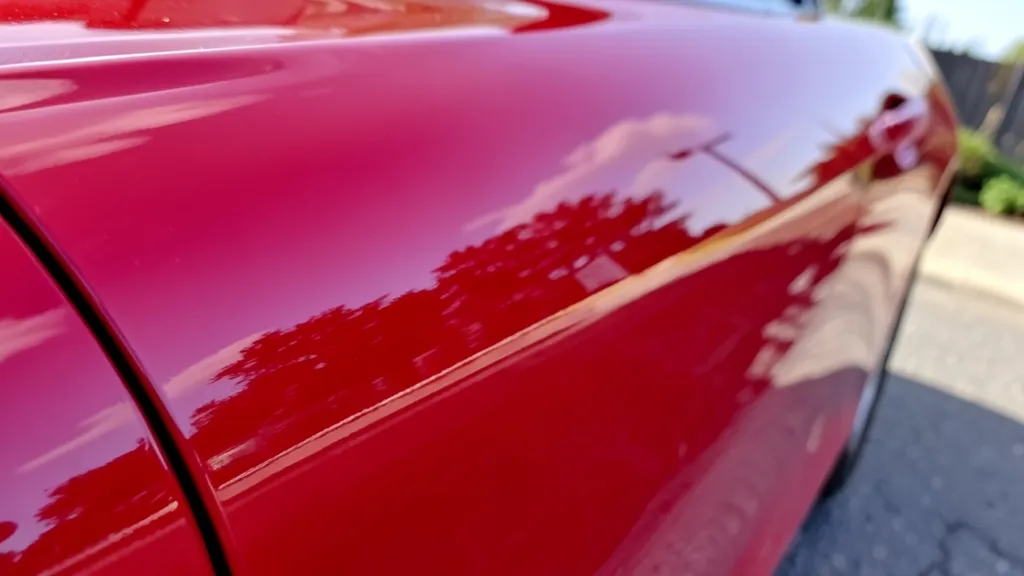
Ceramic coating isn’t a lifetime shield, but in Ocala’s harsh sun and humidity, it’s one of the best defenses for your paint. We break down real-world longevity, what shortens or extends it, and how to keep your finish looking showroom-fresh for years. No fluff—just the facts from pros who work on local rides daily.
What Ceramic Coating Actually Does (and Doesn’t)
Ceramic coatings create a semi-permanent, chemically bonded layer of nano-ceramic polymers—usually SiO2 or TiO2—over your clear coat. This forms a hydrophobic, UV-resistant barrier that repels water, contaminants, and minor scratches.
It doesn’t make your car bulletproof. It won’t stop rock chips, deep scratches, or intentional vandalism. For that, pair it with Paint Protection Film in high-impact zones like the hood or bumper.
Ceramic coating enhances gloss and ease of cleaning, but Paint Protection Film is the only way to physically block stone chips and road debris.
Realistic Lifespan in Ocala’s Climate
In Central Florida’s UV-heavy, humid environment, a professional-grade ceramic coating typically lasts 2 to 5 years. Entry-level or DIY products may fade within 12–18 months under the same conditions.
The sun’s intensity here accelerates oxidation, while frequent rain and pollen can degrade the hydrophobic layer faster. Proper prep and maintenance push durability toward the upper end of that range.
What Shortens Ceramic Coating Life in Florida
Automatic car washes with harsh brushes or strong alkaline soaps strip the coating prematurely. Stick to touchless or hand washes with pH-neutral shampoos.
Bird droppings, bug splatter, and tree sap are acidic. Left too long, they etch through the coating. Rinse these off within 24–48 hours to prevent damage.
Parking under trees or in open lots exposes your finish to more contaminants and UV. A garage or quality car cover extends coating life significantly.
Never use wax or silicone-based sealants over ceramic coating. They create a hazy layer and reduce hydrophobic performance.
How to Extend Your Coating’s Longevity
Wash your car every 1–2 weeks with a microfiber mitt and pH-balanced cleaner. This removes contaminants before they bond to the surface.
Apply a ceramic-boosting spray every 3–6 months. These SiO2-based products refresh hydrophobicity and gloss without layering incompatible chemicals.
Perform annual inspections. We often spot early signs of degradation—like water not beading as tightly—during routine maintenance for clients in Belleview or The Villages.
Maintenance Must-Dos
- Use only ceramic-safe products (no wax, no abrasive polishes)
- Dry with a clean microfiber towel to prevent water spots
- Reapply ceramic spray sealant seasonally
Professional vs. DIY Ceramic Coating Durability
Professional installations use high-concentration, multi-layer formulas that cure harder and last longer. Our team applies coatings in controlled environments, ensuring proper bonding and even coverage.
DIY kits are thinner, often single-layer, and prone to improper application. Uneven prep or curing leads to premature failure, especially on vertical panels.
| Factor | Professional Coating | DIY Coating |
|---|---|---|
| Typical Lifespan | 3–5 years | 6–18 months |
| Prep Quality | Full paint correction & decontamination | Often incomplete |
| Layer Thickness | Multiple layers, 2–10 microns | Single layer, 0.5–2 microns |
| UV Resistance | High (engineered for Florida sun) | Moderate to low |
| Hydrophobic Performance | Strong, lasts years | Fades quickly |
Signs Your Ceramic Coating Is Failing
Water no longer beads into tight, round droplets. Instead, it sheets or leaves flat spots. This is the first visible sign of hydrophobic loss.
Your car stays dirty longer after rain. A healthy coating sheds grime easily; a failing one lets contaminants stick.
Swirl marks or oxidation appear more easily. The coating’s sacrificial layer is thinning, exposing the clear coat to damage.
Spray water on the hood. If it beads like rain on a freshly waxed car, your coating is still active. If it flattens out, it’s time for a refresh.
Ceramic Coating for Wheels, Glass, and Interiors
Wheels and brake calipers take a beating from brake dust and road grime. A dedicated Wheel & Brake Caliper Ceramic Coating resists high temps and makes cleaning easier.
Ceramic Window Tint reduces heat and UV while adding a hydrophobic layer to glass. In Ocala’s summer, this cuts interior temps and prevents water spots.
Interior Ceramic Protection on dashboards and leather prevents UV fading and cracking. It’s a game-changer for vehicles parked outside in Marion Oaks or Dunnellon.
When to Reapply or Refresh
If your coating is under 2 years old but losing performance, a ceramic spray sealant can restore hydrophobicity and gloss for 6–12 months.
After 3–4 years, the base layer may need full reapplication. This requires paint decontamination and, often, light Paint Correction & Polishing to prep the surface.
For fleet or commercial vehicles in Silver Springs or The Villages, we recommend annual inspections and bi-annual refreshes due to higher mileage and exposure.
How to Test if Your Ceramic Coating Is Still Working
A quick at-home check can reveal whether your coating is still protecting your paint.
- 1Water Bead Test
Mist a small area with water. If droplets form tight, round beads, your coating is active. Flat, spreading water means it’s fading.
- 2Sheeting Test
Rinse the car with a hose. A healthy coating causes water to sheet off in uniform layers, carrying dirt with it.
- 3Dirt Resistance Check
After a rain, observe how long dirt clings. If it washes off easily, the hydrophobic layer is intact.
- 4Gloss Inspection
Compare a coated panel to an uncoated one (like under the hood) in direct sunlight. A duller finish suggests the coating has worn.
- 5Finger Swipe
Lightly drag a clean finger across the surface. A smooth, slick feel indicates the coating is still present.
Frequently Asked Questions
Does ceramic coating last longer on some cars than others?
Yes. Darker colors show wear faster, while lighter paints hide degradation longer. Factory clear coat quality also affects bonding and durability. Request a quote to assess your vehicle’s specific needs.
Can I apply ceramic coating over existing wax or sealant?
No. Wax and sealants must be fully removed through Paint Correction & Polishing before applying ceramic coating. Otherwise, the coating won’t bond properly, shortening its lifespan.
How does Ocala’s humidity affect ceramic coating?
High humidity slows the curing process and can trap moisture under the coating if not applied in a controlled environment. It also promotes mold and pollen buildup, which can degrade the hydrophobic layer faster.
Is ceramic coating worth it for older cars in Ceramic Coating Ocala?
Absolutely, if the paint is in good condition. For older vehicles, we often combine Paint Correction & Polishing with ceramic coating to restore gloss and protect the finish. It’s ideal for preserving value in classic or well-maintained rides.
What’s the difference between ceramic coating and Paint Protection Film?
Ceramic coating is a liquid polymer that bonds to paint, enhancing gloss and repelling contaminants. Paint Protection Film is a physical urethane layer that absorbs impacts. Many Ocala drivers use both: PPF on high-impact areas and coating everywhere else.
Can ceramic coating be applied to headlights?
Yes. After Headlight Restoration to remove oxidation, a ceramic coating can be applied to seal and protect the lens, improving clarity and longevity. This is especially useful for older vehicles in Dunnellon or Belleview.