How Dust and Debris Can Ruin Your Ceramic Coating Application in Ocala in Ceramic Coating Ocala, FL
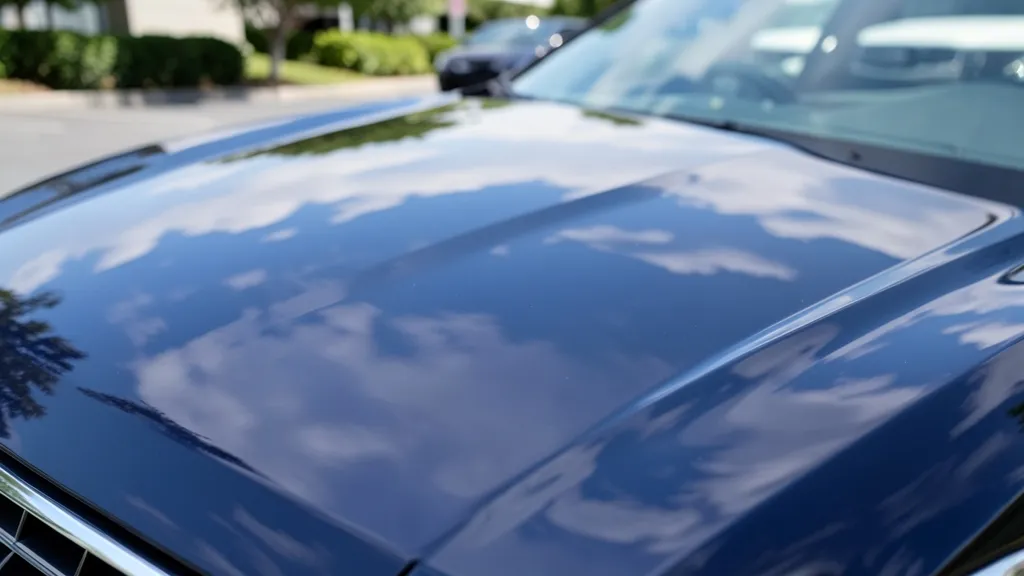
A flawless ceramic coating starts long before the first drop hits your paint. In Ocala’s dusty, humid climate, even microscopic debris can turn a premium application into a short-lived disappointment. We’ve seen it firsthand—skipping prep steps or rushing the process leaves swirls, fisheyes, and bonding failures that no product can overcome.
Why Dust and Debris Are Ceramic Coating’s Worst Enemies
Ceramic coatings bond at a molecular level to your clear coat. Any dust, pollen, or road grime trapped beneath becomes a permanent flaw, visible under sunlight as bumps or hazing. These contaminants also prevent the coating from adhering evenly, reducing durability and hydrophobic performance.
Ocala’s sandy soil and seasonal pollen make this a year-round risk. Even a freshly washed car can collect fine particles in minutes, especially in open-air bays or near construction zones like those around Marion Oaks.
Ceramic coatings can’t bridge over contamination. If the surface isn’t 100% clean, the coating may peel or fail prematurely, wasting time and product.
The Most Common Contaminants in Ocala’s Environment
Florida’s climate throws everything at your paint: pine pollen in spring, limestone dust from roadwork, and insect splatter year-round. These aren’t just unsightly—they’re abrasive. Hard water spots from sprinklers or rain can also etch into clear coat if not removed before coating.
Near The Villages or Silver Springs, brake dust from stop-and-go traffic is another culprit. It’s metallic, clings tightly, and can cause micro-marring during prep if not fully decontaminated.
Step-by-Step: How Contamination Sabotages Your Coating
First, particles create tiny gaps where the coating can’t adhere. These weak spots expand over time, especially under Ocala’s intense UV exposure, leading to premature degradation.
Second, trapped debris causes uneven curing. The coating may appear streaky or develop water spots during the 24–48 hour curing window. In humid conditions, moisture trapped under the coating can even cause clouding.
Finally, abrasive particles left on the surface can scratch the fresh coating during application, requiring costly paint correction to fix.
| Contaminant | Effect on Coating | Long-Term Risk |
|---|---|---|
| Dust/Pollen | Prevents molecular bonding | Peeling, reduced hydrophobicity |
| Brake Dust | Causes micro-scratches | Hazing, swirl marks |
| Hard Water Spots | Etches clear coat | Permanent staining under coating |
| Road Tar | Creates uneven surface | Coating failure at edges |
| Insect Residue | Leaves acidic deposits | Corrosion under coating |
The Non-Negotiable Prep Work Before Ceramic Coating
We always start with a thorough wash using a pH-neutral shampoo to remove loose contaminants. Next, a clay bar or synthetic clay mitt lifts embedded particles the wash misses. This step is critical in Ocala, where road grime builds up quickly.
After decontamination, a two-step paint correction process removes swirls and oxidation. This ensures the coating bonds to a smooth, defect-free surface. Skipping this can lock in imperfections forever.
Finally, an IPA (isopropyl alcohol) wipe-down removes any remaining oils or polish residues. This is the last line of defense against invisible contaminants.
Pre-Ceramic Coating Decontamination Checklist
- Two-bucket wash with grit guards
- Clay bar treatment with lubricant
- Iron-removing spray for brake dust
- Paint correction (compound and polish)
- Final IPA wipe-down with lint-free towels
Ocala-Specific Challenges and How We Adapt
Our humidity levels can exceed 90% in summer, which slows curing and increases the risk of moisture contamination. We time applications for early morning or controlled indoor environments to mitigate this.
Dust storms near Belleview or Dunnellon can kick up fine particles mid-application. We use air filtration systems and sealed bays to keep the workspace clean. For outdoor jobs, we monitor wind conditions closely.
Even indoor garages aren’t safe—concrete dust from floors can settle on fresh coatings. That’s why we use elevated lifts and cover surrounding areas during application.
If you’re coating at home, avoid applying in direct sunlight or high humidity. Use a pop-up tent and a portable air filter to reduce airborne contaminants.
Signs Your Coating Was Applied Over Contamination
Uneven water beading is the first red flag. If water pools in certain spots or sheets off inconsistently, the coating didn’t bond uniformly. This often happens when dust or oils weren’t fully removed.
Visible specks or texture under the coating are dead giveaways. These are usually trapped particles that were missed during prep. In severe cases, you may see bubbling or peeling within weeks.
Hazing or a dull finish can indicate that the coating cured over a contaminated or improperly corrected surface. This is especially common with DIY kits applied without professional prep.
How to Fix a Contaminated Ceramic Coating
If the coating is fresh (within 24 hours), we can sometimes remove it with a specialized solvent and reapply after proper prep. This is rare, as most coatings begin curing immediately.
For cured coatings with minor defects, a light polish may restore clarity, but this thins the coating and reduces its lifespan. Severe cases require full removal and reapplication, which is labor-intensive and costly.
Prevention is always cheaper than the fix. That’s why we emphasize meticulous prep for every vehicle, whether it’s a daily driver in Ocala or a show car from The Villages.
Beyond Ceramic Coatings: Complementary Protection for Ocala Drivers
Ceramic coatings are just one layer of defense. For full protection, we often recommend pairing them with paint protection film (PPF) on high-impact areas like hoods and bumpers. PPF absorbs rock chips and scratches that coatings alone can’t handle.
Window tint with ceramic particles can also reduce heat and UV damage inside the cabin. In Ocala’s climate, this keeps interiors cooler and prevents dashboard cracking.
For wheels and brake calipers, a dedicated ceramic coating resists brake dust and makes cleaning easier. This is a game-changer for vehicles in dusty areas like Dunnellon or Marion Oaks.
How to Decontaminate Your Car Before Ceramic Coating
Proper decontamination is the foundation of a lasting ceramic coating.
- 1Wash Thoroughly
Use a pH-neutral car shampoo and the two-bucket method to remove loose dirt. Dry with a clean microfiber towel to avoid swirls.
- 2Clay Bar Treatment
Lubricate the surface with detailer spray and gently glide a clay bar over the paint to pull embedded contaminants. Re-clay until the bar glides smoothly.
- 3Iron Remover Application
Spray an iron-removing product (like P&S Brake Buster) onto panels. Let it dwell until it turns purple, then rinse. This dissolves brake dust and rail dust.
- 4Paint Correction
Use a dual-action polisher with compound and fine polish to remove swirls, oxidation, and light scratches. This step ensures a mirror-like finish for optimal bonding.
- 5Final IPA Wipe-Down
Mist a 50/50 IPA-water solution onto the surface and wipe with a lint-free towel. This removes any remaining oils or polish residues, leaving a squeaky-clean surface.
Frequently Asked Questions
Can I apply ceramic coating over my existing wax or sealant in Ocala?
No. Wax and sealants must be fully removed before ceramic coating. They create a barrier that prevents the coating from bonding to the paint. We use a dedicated pre-coating prep spray or IPA to strip these products completely.
How do I know if my car’s paint is clean enough for ceramic coating?
Run your hand over the paint after washing and claying—if it feels smooth as glass, it’s ready. For extra assurance, use a plastic bag test: glide a bag over the surface. If you feel any grit, repeat decontamination.
Does Ocala’s humidity affect ceramic coating application?
Yes. High humidity can slow curing and increase the risk of moisture contamination. We recommend applying coatings in a climate-controlled environment or during low-humidity periods, typically early morning.
What’s the difference between a ceramic coating and paint protection film (PPF)?
Ceramic coatings are liquid polymers that bond to paint, adding hydrophobicity and UV protection. PPF is a physical urethane film that protects against rock chips and scratches. Many Ocala drivers use both: PPF on high-impact areas and coating over the entire vehicle.
How often should I reapply ceramic coating in Ocala’s climate?
Professional-grade ceramic coatings last 2–5 years, but Florida’s intense UV and frequent rain can shorten this. We recommend inspecting the coating annually and reapplying as needed, especially if water no longer beads uniformly.
Can dust ruin my ceramic coating after it’s applied?
Once fully cured (after 24–48 hours), dust won’t bond to the coating. However, during the curing window, dust settling on the surface can become trapped. That’s why we advise parking in a garage or covered area immediately after application.