The Hidden Dangers of Applying Ceramic Coating in High Humidity in Ceramic Coating Ocala
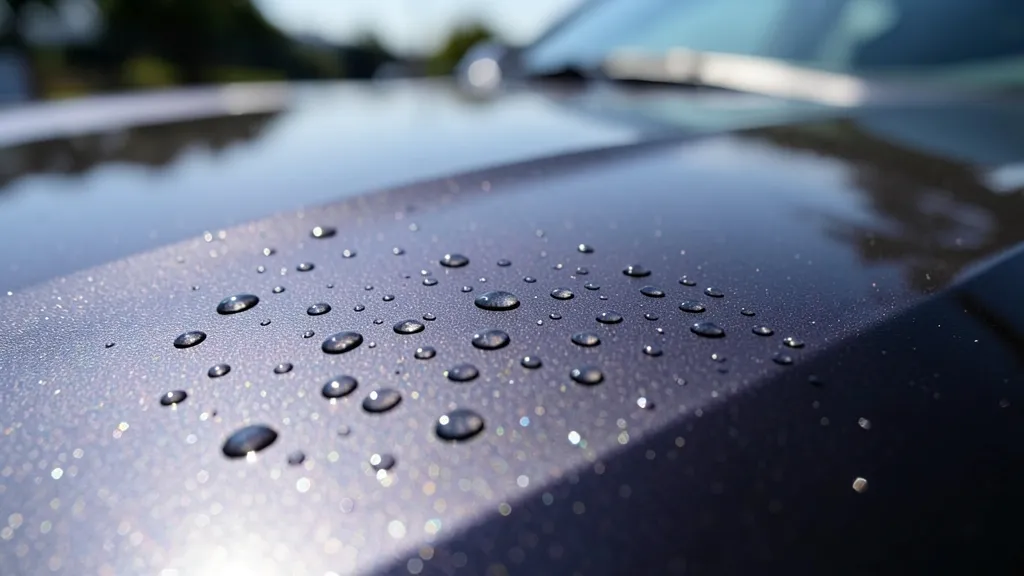
Ocala’s sweltering summers and frequent afternoon storms create a perfect storm for ceramic coating failures. High humidity doesn’t just slow curing—it can sabotage adhesion, leaving your paint vulnerable. We’ve seen firsthand how moisture in the air turns a premium coating into a peeling, streaked mess.
Why Humidity Is the Silent Enemy of Ceramic Coating Adhesion
Ceramic coatings rely on a chemical bond with your vehicle’s clear coat. Humidity introduces microscopic water vapor that interferes with this bond, preventing proper cross-linking of the SiO2 polymers.
In Ocala, afternoon humidity often spikes above 80%. At these levels, moisture settles on the paint even after a thorough IPA wipe-down, leading to water spotting under the coating.
The result? Reduced durability, uneven sheen, and a higher risk of peeling—especially around edges and body lines where moisture lingers.
The Science: How Moisture Disrupts the Curing Process
Ceramic coatings cure in two stages: flash time (initial evaporation) and full cross-linking (hardening). Humidity extends flash time, trapping solvents and water in the coating layer.
This slows the formation of the hydrophobic lattice that gives ceramic coatings their famed water-beading and UV resistance. In extreme cases, the coating may never fully harden, staying gummy or tacky.
Ocala’s clay-based soil and pollen only compound the problem. These contaminants mix with moisture, creating a barrier that prevents the coating from adhering uniformly.
Even light mist can ruin a fresh coating application. Always check the forecast and use a climate-controlled bay for paint correction and coating in Ocala.
Real-World Signs Your Coating Was Applied in High Humidity
Streaking or hazing is the first red flag. If the coating looks cloudy or uneven within hours of application, humidity was likely the culprit.
Peeling or delamination, especially in low-lying areas like door jambs or wheel wells, signals poor adhesion due to trapped moisture. These spots collect more humidity and contaminants.
Reduced water beading or a lack of that signature ceramic slickness after curing often means the coating didn’t fully bond. In Ocala, this is common when coatings are rushed during damp mornings.
Humidity vs. Temperature: What’s Worse for Ceramic Coating?
Both matter, but humidity is the bigger threat. Temperature affects flash time—too cold slows it, too hot accelerates it—but humidity directly compromises adhesion.
Ideal conditions for ceramic coating in Ocala are 60-75°F with humidity below 50%. Above 70% humidity, the risk of failure jumps dramatically, even if the temperature is perfect.
| Factor | Ideal Range | Risky Range |
|---|---|---|
| Temperature | 60–75°F | Below 50°F or above 90°F |
| Humidity | Below 50% | Above 70% |
| Surface Temp | Matches ambient | 10°F+ above/below ambient |
| Wind/Dust | Minimal | High (contaminants) |
| Direct Sunlight | Indirect or shaded | Full sun (uneven curing) |
How Ocala’s Climate Puts Your Coating at Risk Year-Round
Summer in Ocala brings daily humidity spikes, but winter isn’t safe either. Cooler mornings can trap dew on surfaces, and afternoon warming creates condensation under the coating.
The Villages and Silver Springs see higher humidity due to nearby lakes and springs. Even in Dunnellon or Belleview, the clay soil retains moisture, increasing the risk of water vapor interfering with adhesion.
Marion Oaks’ open pastures and dust can mix with humidity, creating a slurry that settles on paint. This is why we always recommend a thorough decontamination wash and clay bar treatment before any coating.
Aim for early morning or late afternoon when humidity is lower. Use a hygrometer to monitor levels, and never start if it’s above 60%.
Preventing Humidity-Related Failures: Our Proven Process
We start with a climate-controlled bay for paint correction and coating application. This ensures consistent temperature and humidity, critical for adhesion and curing.
A full decontamination wash removes embedded pollutants, followed by a clay bar treatment to lift surface contaminants. In Ocala’s dusty conditions, this step is non-negotiable.
After paint correction, we use an IPA solution to remove any remaining oils or moisture. The surface must be bone-dry before the first coat of ceramic coating is applied.
Pre-Coating Humidity Control Checklist
- Monitor humidity with a hygrometer (target: <50%)
- Use a climate-controlled workspace
- Wipe down surfaces with IPA immediately before application
- Avoid application if rain is forecast within 24 hours
- Apply in thin, even layers to prevent solvent entrapment
What to Do If Your Coating Was Applied in High Humidity
If you notice streaking or peeling within the first 48 hours, do not attempt to fix it yourself. The coating may still be curing, and premature intervention can worsen the damage.
For minor issues like hazing, a professional can often polish the surface to restore clarity. But severe peeling or delamination usually requires removing the coating and starting over.
In Ocala, we’ve rescued many vehicles from botched DIY or rushed professional jobs. The key is acting fast—once the coating fully cures with defects, removal becomes far more labor-intensive.
Beyond Coatings: How Humidity Affects Other Protective Services
Paint Protection Film (PPF) installation is also humidity-sensitive. Moisture trapped under the film can cause bubbles or lifting, especially in Ocala’s heat.
Ceramic window tint and interior ceramic protection require similar controls. High humidity can prevent adhesives from setting properly, leading to peeling or clouding over time.
Even headlight restoration and coating can fail if moisture isn’t managed. The acrylic lenses in modern headlights are porous, and trapped humidity can cause fogging or coating delamination.
Large vehicles like those in The Villages or Marion Oaks fleets have more surface area for moisture to collect. We use industrial dehumidifiers for these projects to ensure adhesion.
How to Test Your Environment Before Applying Ceramic Coating
Don’t gamble with Ocala’s humidity—verify conditions first.
- 1Check the Forecast
Use a reliable weather app to confirm no rain or high humidity (above 60%) is expected for at least 24 hours.
- 2Use a Hygrometer
Place a digital hygrometer in your workspace. If it reads above 50%, wait or use a dehumidifier.
- 3Surface Temperature Check
Use an infrared thermometer to ensure the vehicle’s surface matches ambient temperature. Cold surfaces can cause condensation.
- 4Test for Moisture
Wipe the surface with a clean microfiber towel. If it feels damp or leaves streaks, the surface isn’t dry enough.
- 5Final IPA Wipe-Down
Just before application, use a 50/50 IPA-water mix to remove any last traces of moisture or oils.
Frequently Asked Questions
Can I apply ceramic coating in Ocala during the summer?
Yes, but only in controlled conditions. Early mornings or late afternoons with humidity below 50% are safest. Avoid midday when humidity spikes after rain. Request a quote to discuss timing for your vehicle.
How do I know if humidity ruined my ceramic coating?
Look for streaking, hazing, or peeling within the first 48 hours. Poor water beading after curing is another sign. If you see these, contact a professional for an assessment.
Does humidity affect Paint Protection Film (PPF) the same way?
Absolutely. PPF adhesives are also moisture-sensitive. Trapped humidity can cause bubbles or lifting, especially in high-heat areas like Ocala. Always apply PPF in a climate-controlled environment.
What’s a good humidity level for ceramic coating in Ocala, FL?
Ideally, below 50%. Between 50-60% is manageable with careful prep, but above 70% significantly increases the risk of adhesion failure.
Can I fix a ceramic coating that failed due to humidity?
Minor issues like hazing can sometimes be polished out. Severe peeling or delamination usually requires removing the coating and reapplying it under proper conditions. Request a quote for a professional evaluation.
Is interior ceramic protection affected by humidity too?
Yes. Humidity can prevent the coating from bonding to surfaces like dashboards or leather. Always ensure the interior is dry and climate-controlled before application.