Common Misconceptions About Ceramic Coatings Debunked for Ocala Drivers in Ceramic Coating Ocala, FL
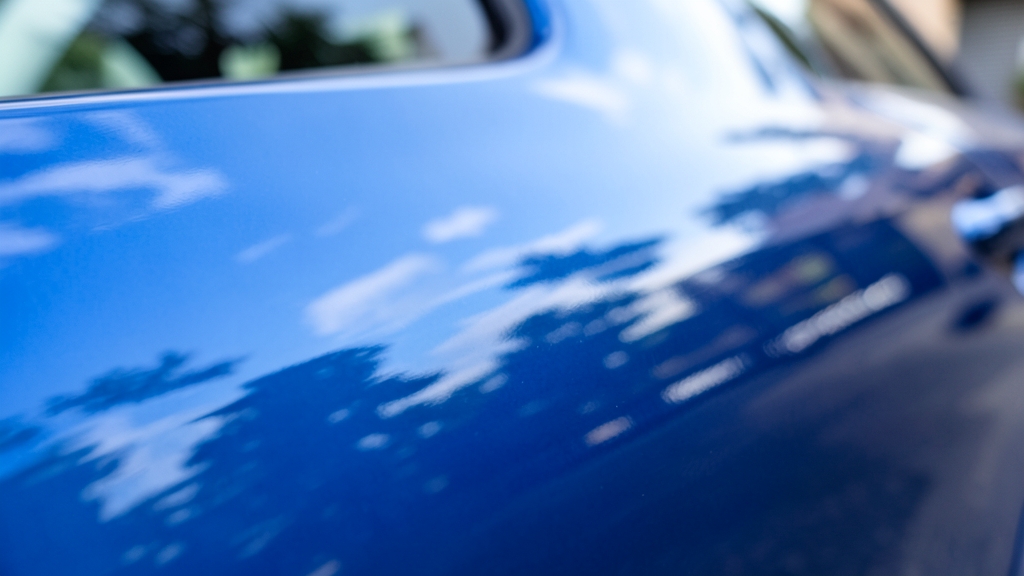
Ceramic coatings are one of the most talked-about upgrades in auto detailing, yet myths still cloud the conversation. We’ve applied and perfected these coatings on vehicles across Ocala, Belleview, and The Villages—so let’s set the record straight with real-world expertise, not hype.
Myth: Ceramic Coatings Are Just Expensive Wax
Ceramic coatings are nano-ceramic polymers that chemically bond with your vehicle’s clear coat, unlike wax or sealants that sit on the surface. This bond creates a semi-permanent layer, far more durable than traditional products.
Wax lasts weeks; a professional-grade ceramic coating from our team can protect for 2–5 years or more. In Ocala’s intense sun and humidity, that longevity makes all the difference.
Wax fills minor imperfections temporarily. Ceramic coatings enhance gloss and depth while providing long-term UV and chemical resistance.
Myth: Ceramic Coatings Make Your Car Scratch-Proof
No coating is scratch-proof. Ceramic coatings add a hard, protective layer (typically 9H on the pencil hardness scale), which resists minor scratches and swirl marks better than unprotected paint.
For full scratch and chip protection, we often recommend pairing a ceramic coating with paint protection film (PPF) for high-impact areas. This combo is popular among drivers in Dunnellon and Silver Springs who face rougher roads.
Myth: You Don’t Need Paint Correction Before Coating
Applying a ceramic coating over swirl marks, oxidation, or water spots locks those flaws in permanently. That’s why we always start with professional paint correction and polishing to restore the surface.
Skipping this step means your coating won’t look its best—and in Florida’s harsh light, every imperfection shows. Our paint correction process ensures a flawless base for maximum gloss and clarity.
Ceramic coatings amplify your paint’s condition. If the paint isn’t corrected first, the finish will look worse, not better.
Myth: Ceramic Coatings Eliminate the Need for Washing
Ceramic coatings are hydrophobic, so water and dirt bead up and rinse off more easily. But they don’t make your car self-cleaning. Regular washing is still essential to prevent contaminant buildup.
The hydrophobic effect does mean less frequent washing and easier maintenance. For Ocala drivers, this is a game-changer during pollen season or after driving through Marion Oaks’ dusty backroads.
Myth: All Ceramic Coatings Are the Same
Not all ceramic coatings are created equal. Consumer-grade DIY kits offer basic protection, while professional-grade coatings (like the ones we use) provide superior durability, gloss, and resistance to chemicals and UV rays.
We also offer specialized applications, including ceramic window tint, wheel and brake caliper coatings, and interior ceramic protection. Each is formulated for its specific surface and conditions.
| Type | Durability | Best For |
|---|---|---|
| Consumer-Grade DIY | 6–12 months | Budget-conscious owners, temporary protection |
| Professional-Grade | 2–5+ years | Daily drivers, long-term paint protection |
| Ceramic Window Tint | Lifetime (with care) | UV/heat rejection, privacy |
| Wheel & Caliper Coating | 2–4 years | Brake dust resistance, easier cleaning |
| Interior Ceramic Protection | 1–3 years | Dash, leather, and trim UV/wear resistance |
Myth: Ceramic Coatings Yellow or Discolor Over Time
High-quality ceramic coatings are UV-stable and won’t yellow or discolor. This is critical in Ocala, where vehicles endure year-round sun exposure.
Lower-quality or improperly applied coatings may degrade, but our team uses premium, tested products designed to maintain clarity and performance. We’ve seen firsthand how inferior coatings fail under Florida’s relentless UV.
Myth: Ceramic Coatings Are Only for New Cars
Ceramic coatings can be applied to any vehicle, regardless of age, as long as the paint is in good condition. Older cars often benefit the most, as the coating can restore and protect faded or oxidized paint.
We’ve revitalized countless vehicles in The Villages and Belleview with ceramic coatings, giving them a showroom-like finish. The key is proper prep: paint correction, decontamination, and surface priming.
Pre-Coating Checklist
- Full vehicle wash and decontamination
- Paint correction to remove swirls/oxidation
- Clay bar treatment to remove embedded contaminants
- Final surface prep with isopropyl alcohol wipe-down
How Ceramic Coatings Handle Ocala’s Unique Conditions
Our local climate—hot sun, high humidity, frequent rain, and pollen—puts vehicle finishes to the test. Ceramic coatings excel here by repelling water, resisting UV fading, and making it harder for contaminants to stick.
For fleet and commercial vehicles in Marion County, we offer tailored ceramic solutions to withstand heavy use and harsh conditions. The same goes for headlight restoration and coating to combat yellowing from UV exposure.
How to Maintain Your Ceramic Coating in Ocala’s Climate
Keeping your ceramic coating in top shape is simple with the right routine.
- 1Wash Regularly
Use a pH-neutral car shampoo and a microfiber wash mitt to avoid scratching. Wash every 2–4 weeks, or more often during pollen season.
- 2Dry Thoroughly
Use a clean microfiber towel to dry your vehicle after washing. This prevents water spots, which can be tougher to remove on coated surfaces.
- 3Avoid Automatic Car Washes
Brushes and harsh chemicals in automatic car washes can degrade the coating over time. Stick to hand washing or touchless washes.
- 4Use Ceramic-Safe Products
Avoid wax, sealants, or cleaners with abrasives or silicones. These can leave residues or reduce the coating’s hydrophobic properties.
- 5Inspect and Reapply as Needed
Check for signs of wear, like reduced beading or increased dirt adhesion. Schedule a maintenance inspection with our team to assess if a top-up or reapplication is needed.
Frequently Asked Questions
Can I apply a ceramic coating myself in Ocala?
DIY kits are available, but professional application ensures proper prep, even coverage, and maximum durability. We’ve seen many DIY jobs in Silver Springs and Dunnellon that required correction due to improper prep or application.
How long does a ceramic coating last in Florida’s climate?
Professional-grade coatings typically last 2–5 years, but longevity depends on maintenance, exposure, and the quality of the initial application. Ocala’s sun and humidity can shorten this if the coating isn’t cared for properly.
Will a ceramic coating prevent water spots?
Ceramic coatings reduce water spots by repelling water, but they don’t eliminate them entirely. Regular washing and drying are still necessary, especially after rain or sprinkler exposure.
Is ceramic coating worth it for a daily driver in Ocala?
Absolutely. Daily drivers benefit the most from the protection against UV rays, bird droppings, tree sap, and road grime. The easier cleaning and long-term gloss make it a smart investment for any vehicle.
Can ceramic coatings be removed if I change my mind?
Yes, but it’s a labor-intensive process. Ceramic coatings don’t peel off like vinyl wraps. Removal requires polishing or compounding the surface, which is why we recommend committing to the coating’s lifespan.
Do ceramic coatings work on matte or satin finishes?
Yes, but not all coatings are compatible with matte or satin paints. We use specialized ceramic products designed to preserve the unique look of these finishes while providing protection.